
The Best Moisturizer for Dry Climate: Top Picks for Hydrated Skin
Best Moisturizer for Dry Climate: How to Keep Skin Comfortable in Desert-Dry Air
If you live somewhere the air feels like it's actively stealing moisture from your face, you already know that not just any cream will cut it. Dry climates demand a different approach to skin care, and choosing the wrong moisturizer can leave you worse off than using nothing at all. This guide breaks down exactly what to look for, how to build a routine that works, and which ingredients actually deliver results when humidity drops.
Not sure where to start? Get a personalized routine for your skin type within seconds.
Quick Answer: What Is the Best Moisturizer for a Dry Climate?
Cities like Denver, Phoenix, Las Vegas, and Los Angeles during Santa Ana season regularly see relative humidity drop below 30%. When the air is that dry, it pulls moisture directly from your skin faster than your body can replace it, accelerating water loss and leaving you with tightness, flaking, and fine lines that seem to appear overnight. In low-humidity environments, dry indoor air pulls moisture from skin even when you're not outside, thanks to heating and air conditioning running nonstop.
Here's what defines the best moisturizer for a dry climate:
-
Fragrance-free and noncomedogenic. A stressed barrier is more prone to irritation, so fragrance-free products are better for sensitive skin and won't trigger reactions when your defenses are already low. Use noncomedogenic moisturizers to avoid acne, especially on the face.
-
Barrier repair focused. The formula should actively support and rebuild your skin's moisture barrier, not just sit on top.
-
Combines all three ingredient types. Moisturizers for dry climates should contain humectants, emollients, and occlusives working together. Humectants draw in water, emollients soften, and occlusives lock moisture in.
-
Lightweight enough to wear daily. Heavy ointments have their place, but a daily moisturizer should feel comfortable under sunscreen and makeup.
For most people with dry skin or combination skin, a lightweight water cream with glycerin, multiple weights of hyaluronic acid applied correctly, and barrier-supporting lipids hits the sweet spot between effective hydration and wearable texture.
Hermelis Luminour Water Cream is our pick as the hero option for dry climates. It delivers weightless hydration with barrier support, works across sensitive, dry, and combination skin types, and absorbs without leaving a greasy film.
The rest of this article covers dry vs. humid climate differences, key ingredients like jojoba oil and ceramides, and how to build a simple skincare routine that actually works in desert climates.
Author Comment
For dry climate make sure you use a hyrdrating
Understanding Dry Climates vs Humid Climates
The fundamental difference comes down to how much water vapor is in the air around you. In dry climates like Phoenix, Tucson, Denver, and Albuquerque, relative humidity frequently stays below 40%. In humid climates like Miami, New Orleans, and Singapore, it hovers above 60% for much of the year.
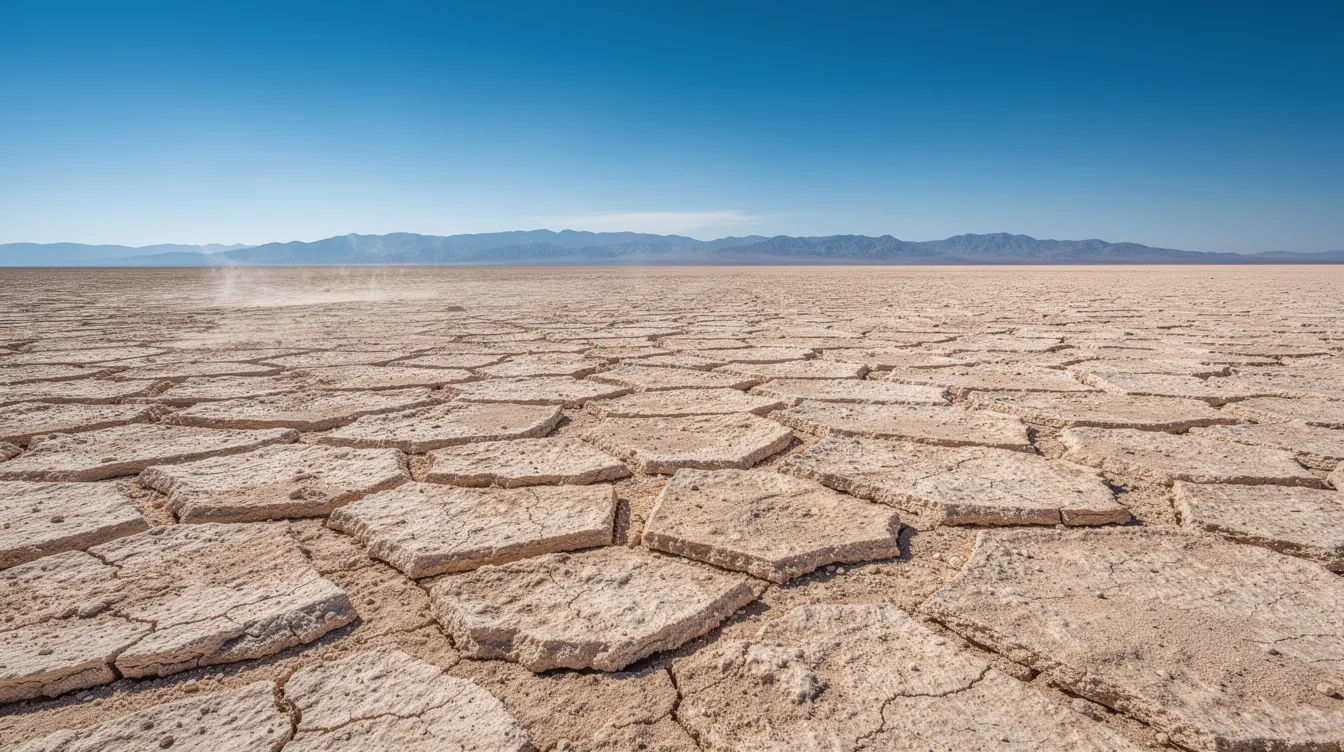
That gap matters enormously for your skin:
-
Low humidity pulls water out of your skin. When the air around you has less moisture than the water in your stratum corneum, evaporation accelerates. A systematic review published in Skin Health and Disease found that transepidermal water loss (TEWL) decreases with increasing relative humidity and spikes when humidity is low, especially combined with heat. The result is tightness, flaking, redness, and fine lines that become more visible.
-
Humid climates buffer water loss naturally. Ambient moisture helps keep skin hydrated on its own, but the trade-off is increased sweating, oil production, congestion, and breakouts.
-
Your routine must match your environment. In dry climates, you need richer, barrier-focused formulas. In a humid climate, lighter gels and breathable textures usually suffice.
-
Climate moves can shock your skin. People who relocate from a coastal or tropical city to a desert often find that their previously oily skin suddenly feels dry, reactive, and tight. The gel moisturizer that worked in Houston may leave your face feeling like paper in Denver.
How Dry Climate Affects Your Skin Barrier
Your skin barrier, the stratum corneum, works like a brick-and-mortar wall. Corneocytes (skin cells) are the bricks. The lipid matrix between them, made of ceramides, cholesterol, and essential fatty acids, is the mortar. Together, they keep moisture in and irritants out.
Desert climates and indoor heating or AC systematically degrade that mortar. Natural oils get stripped. The lipid matrix thins. Water escapes faster. Studies measuring TEWL at very low humidity (2-3% RH) versus moderate humidity found rates were two to three times higher in the drier conditions.
Common signs your barrier is stressed in a dry climate:
-
Skin feeling tight after cleansing, especially within minutes
-
Rough or bumpy skin texture where there used to be smoothness
-
Dullness that no amount of exfoliation seems to fix
-
Stinging or burning when applying products that never bothered you before
-
Increased sensitivity to sun, wind, and even warm water
-
Visible dry patches, flaking, or cracked skin
Barrier repair should be the core goal of your moisturizing strategy in arid environments. Once that wall is compromised, even gentle products can sting. This is exactly why Hermelis focuses on clean, weightless hydration paired with barrier support, giving sensitive skin what it needs without adding irritants.
If your current products have "stopped working" since you moved to a drier area, the problem likely isn't the products. It's that your barrier needs a different level of support.
Not sure where to start? Get a personalized routine for your skin type within seconds.
Key Moisturizer Ingredients for Dry Climates
Understanding three categories of ingredients will help you read any label with confidence. This aligns with broader guidance on dry skin moisturizing tips, ingredients, and creams. Here's the breakdown:
Humectants: The Water Magnets
Humectants draw water from the dermis to the epidermis and, when humidity allows, from the surrounding air. Look for humectants like glycerin in moisturizers, as glycerin is one of the most reliable and well-tolerated options for all skin types, including sensitive skin.
Hyaluronic acid restores lost hydration in the skin by holding up to 1,000 times its weight in water molecules. However, in very dry air, single-weight hyaluronic acid applied alone can sometimes pull moisture from deeper skin layers rather than from the environment. A 2024 double-blind clinical trial comparing multi-weight hyaluronic acid with antioxidants versus single-weight HA found that the multi-weight formula significantly improved skin dryness, roughness, and fine lines as early as two weeks. Sodium hyaluronate, a salt form of HA, penetrates more easily at lower molecular weights.
The key in dry climates: always apply humectants to damp skin and immediately seal with a cream or emollient layer. Otherwise, they can leave skin feeling dryer than before.
Emollients: The Smoothers
Emollients fill gaps between dead skin cells, softening and smoothing rough skin texture. Effective emollients for barrier repair include squalane, jojoba oil (which closely mimics your skin's natural sebum), and fatty alcohols like cetyl and stearyl alcohol.
Ceramides help fill cracks between skin cells, restoring the lipid "mortar" that dry air depletes. Active lipids and peptides in moisturizers can replenish skin in dry air by mimicking the natural components your barrier has lost.
Occlusives: The Sealants
Occlusives prevent moisture loss from the skin by forming a protective film on the skin's surface. Shea butter contains vitamins A, E, and F for healing and acts as a gentle occlusive that keeps skin supple. According to Harvard Health, petrolatum can reduce TEWL by approximately 98%, making it the most effective occlusive available, though it's often too heavy for facial use during the day. Non-pore-clogging silicones and ceramide-rich creams offer a more wearable alternative.
What to Avoid
Some ingredients actively work against you in dry climates. Drying alcohols (ethanol, isopropyl alcohol) strip the barrier further. Strong fragrance and essential oils can trigger irritation on compromised skin. Overly aggressive exfoliating acids used daily can worsen moisture loss and leave your barrier in worse shape.
Hermelis formulas use a blend of science-backed key ingredients, including hyaluronic acid, algae extract, white tea extract (a potent antioxidant with vitamin C activity), and rose canina flower, to hydrate and protect skin without heaviness or irritation, supporting broader hydration-boosting solutions for radiant skin.
Best Moisturizer Types for Different Skin Types in Dry Climate
The best moisturizer in a dry climate depends heavily on your skin type. Resources that outline good skin moisturizers for every skin type can help you fine-tune your choices. Here's how to match your needs:
Dry Skin and Very Dry Skin
If your skin is extremely dry, reach for richer moisturizing cream textures with ceramides, shea butter, and glycerin. Rich restorative creams and ointments should contain occlusives and emollients to keep skin hydrated through desert nights. Layering a hydrating serum under a barrier-focused cream at night makes a noticeable difference. Products like Skinfix Barrier+ Triple Lipid Peptide Cream and other heavy-duty moisturizers for dry skin are recommended for harsh dry environments where barrier repair is the top priority. For the body, use a cream for body moisturizing, not lotion, since creams deliver a thicker layer of nourishing ingredients that resist evaporation.
Combination Skin
A lightweight water cream or gel-cream gives weightless hydration to dry areas without overloading oilier zones. Hermelis Luminour Water Cream was designed for exactly this purpose: lightweight hydration that keeps skin balanced without triggering congestion on the T-zone. Choose cream for body and lotion (or a lighter facial moisturizer) for the face to match each area's needs.
Acne-Prone But Dehydrated Skin
This is where people make the most mistakes. Skipping moisturizer because you're acne prone only makes dehydration worse, which can trigger even more oil production. Use noncomedogenic moisturizers with squalane, jojoba oil in small amounts, and niacinamide for barrier repair without heavy occlusives like thick petrolatum on breakout-prone areas. A gel moisturizer with humectants can keep oily skin from overcompensating, especially when you follow best practices for moisturizers tailored to oily skin.
Sensitive Skin
Fragrance-free, dye-free formulas are non-negotiable. Look for soothing ingredients: algae extract, colloidal oatmeal, and white tea extract to calm inflammation, and choose moisturizers formulated for sensitive faces to minimize the risk of irritation. Avoid essential oils and harsh actives when your barrier is already under stress.
Mature Skin
Mature skin in dry climates faces a double challenge: age-related moisture decline plus environmental depletion. An eye cream with peptides and gentle occlusives can address the delicate eye area, while a thick moisturizer at night helps combat the accelerated appearance of fine lines. Sun damage from years of UV exposure compounds the dryness, so barrier repair becomes even more critical.
A note on popular drugstore options: products like CeraVe Moisturizing Cream and Cetaphil Moisturizing Cream are decent barrier-supporting choices for body use. Vanicream Moisturizing Cream is another solid fragrance-free option. And First Aid Beauty Ultra Repair Cream works well for very reactive skin. However, for facial use in dry climates, many people find these too heavy and prefer a dedicated, lightweight facial moisturizer.
Moisturizing Routine for Morning and Night in a Dry Climate
In desert climates, how you apply moisturizer matters as much as which one you use. Timing, layering order, and product texture all affect whether your moisturizing products actually work, just as they do in a well-structured daily routine for dry skin.
Morning Routine
-
Cleanse gently. Use a low-foam or cream cleanser with warm water. For very dry skin, a simple water rinse in the morning is enough.
-
Hydrating toner or essence (optional). Pat onto damp skin to add a layer of humectants before your moisturizer.
-
Serum (if used). A lightweight antioxidant or HA serum works here.
-
Facial moisturizer. Apply within three minutes of cleansing to trap water in the skin. Pat skin dry before applying moisturizer to trap moisture rather than rubbing aggressively.
-
Mineral SPF 30+. UVB rays and broad-spectrum UV exposure in high-altitude or desert areas accelerate barrier damage and dehydration. This step is nonnegotiable to protect skin from sun damage.
Night Routine
-
Gentle cleanse. If you wear sunscreen or makeup, a double cleanse (oil-based first, then gentle cleanser) removes everything without stripping.
-
Hydrating mask (1-2x per week). The Hermelis Deep Hydration Collagen Mask provides intensive barrier repair for very dry or tight skin, especially during cold weather or peak desert dryness.
-
Nourishing cream. Layer a richer cream over damp skin. This is when your skin does its repair work, so don't hold back on barrier-supporting ingredients.
-
Occlusive seal (for very dry skin). Aquaphor is ideal as a slugging step to prevent moisture loss at night, applied as a thin layer over your cream. It keeps everything locked in while you sleep.
Moisturize every time after bathing for best results, not just during your morning and evening routines.
Over-exfoliation is one of the biggest mistakes people make in dry climates. Limit strong acids and retinoids to two or three times per week, and if your skin feeling tight or stinging persists, pause actives entirely and focus on barrier repair.
Hermelis Picks: Weightless Moisturizers That Work in Dry Climates
Hermelis was born as an idea in May 2018 in Los Angeles, where dry heat, relentless AC, and Santa Ana winds made it clear that most moisturizers were either too heavy for daily wear or too light to actually help. The brand was built around one question: can a daily moisturizer feel weightless and still keep skin comfortable in punishing dry air—while standing alongside other top moisturizers formulated for dry skin?
Luminour Water Cream
This is our primary recommendation as a facial moisturizer for dry and combination skin in desert or dry climates, and it is further detailed in our overview of the Hermelis Luminour Water Cream. Key features:
-
Multi-weight hyaluronic acid targets different depths of the skin for layered hydration
-
Algae extract provides soothing, anti-inflammatory support
-
White tea extract delivers antioxidant defense against environmental stress
-
Bamboo ferment helps keep skin balanced and supports the microbiome
-
Rose canina flower offers natural vitamin C and flavonoids for a healthy glow
It's ideal for men and women, teens, anyone with sensitive skin, people transitioning from a humid to dry climate, and anyone who dislikes heavy creams but still deals with skin dryness. The formula is clean, fragrance-free, and absorbs completely, making it work beautifully as a base under sunscreen or makeup and delivering lightweight hydration all day.
Deep Hydration Collagen Mask
For weekly or bi-weekly intensive treatment, especially during winter or in extreme desert climates, this mask provides extended occlusive contact time that helps plump and repair. It's your skin care best friend when the air is at its driest, much like the Hermelis Luminour Skincare Mask designed for deep yet gentle hydration.
Hermelis products are cruelty-free, produced in limited batches for freshness, formulated in GMP-certified and FDA-compliant labs, and built on complete ingredient transparency.
Jojoba Oil and Other Oils in Dry Climates: When and How to Use Them
Oils can be powerful allies for skin in dry climates, but they work best as part of a system rather than a standalone solution.
Jojoba oil is popular because its chemical structure closely mimics human sebum. It helps keep skin balanced across dry and oily areas without feeling heavy. For body care, almond oil and coconut oil are common choices, though coconut oil can clog pores on the face for some people.
Best practices for using oils in arid environments:
-
Apply oils over water-based products (serums, gels, or a water cream) to seal in hydration, not instead of them
-
At night, blend a few drops of a lightweight oil into your moisturizer to boost barrier repair without leaving a greasy film
-
Oil-based moisturizers retain more water in dry climates because they create a stronger occlusive layer
-
Moisturizers with 80% oil content are particularly effective in low-humidity climates for body use
-
Thick, comedogenic oils may clog pores on acne prone faces; save heavier options for the body or dry patches on elbows and shins
Hermelis focuses on weightless hydration first using modern humectants and barrier-supporting actives, so customers can add simple oils on top if desired without overcomplicating the routine. Think of oils as an optional booster, not the foundation.
Extra Strategies to Keep Skin Comfortable in Desert Climates
A great moisturizer is only part of the solution. These lifestyle adjustments make a measurable difference:
-
Use a humidifier. Use a humidifier to add moisture to dry air, especially in your bedroom at night. Target 40-60% indoor relative humidity. Without one, even the best cream fights an uphill battle against AC and heating.
-
Shorten your showers. Keep showers short, ideally five to ten minutes. Short, warm showers prevent further skin drying. Avoid hot showers, which strip natural oils and leave skin dry and reactive.
-
Moisturize immediately. Apply moisturizer within three minutes of showering to lock in the water your skin absorbed. This timing rule applies to both face and body.
-
Switch your cleanser. Gentle, low-foam or cream cleansers preserve your skin's moisture barrier far better than high-pH, sulfate-heavy formulas. If your face feels "squeaky clean," your cleanser is too harsh.
-
Protect against UV. Daily mineral SPF is essential. UV exposure at altitude and in desert areas degrades barrier lipids and accelerates dehydration. Pair it with a wide-brimmed hat and sunglasses.
-
Don't forget your lips. A good lip balm with emollients prevents the cracking and peeling that's nearly universal in dry climates.
-
Consider home remedies and internal hydration. Drinking adequate water, eating foods rich in essential fatty acids (omega-3s from fish, flaxseed), and using humidifiers are all simple support strategies.

How to Transition from Humid to Dry Climate Skincare
Moving from a humid coastal city to a dry inland area often catches people off guard. Skin that was clear and comfortable in the Gulf Coast suddenly becomes flaky, tight, and paradoxically breakout-prone.
The most common mistakes:
-
Keeping the same lightweight gel moisturizer without adding any barrier support
-
Continuing daily exfoliating acids or high-strength retinoids at the same frequency
-
Ignoring indoor humidity levels in your new home
A smarter transition looks like this:
-
Swap your cleanser first. Move from foaming to cream or oil-based cleansers.
-
Add a hydrating toner or essence. This gives humectants a better environment to work in before your moisturizer.
-
Upgrade your moisturizer. A nourishing water cream like Luminour Water Cream provides the additional barrier support your skin now needs without feeling heavy.
-
Apply humectants to damp skin. Hyaluronic acid can still be used safely in dry climates if applied to damp skin and sealed with a cream. Otherwise, it may pull moisture from deeper layers and feel counterproductive.
-
Simplify. Fewer actives, more hydration. Give skin three to four weeks to adjust before introducing new treatments.
Think of it this way: your skin's needs didn't change because something is wrong with it. The environment changed. Your routine just needs to catch up.
Not sure where to start? Get a personalized routine for your skin type within seconds.
When to See a Dermatologist
A good moisturizer and a smart routine handle most dry climate skin concerns. But some signs mean it's time for professional help:
-
Intense itching that disrupts sleep or daily life
-
Cracking, bleeding, or skin that splits open
-
Persistent rashes, eczema flares, or psoriasis patches that don't respond to gentle care
-
Painful breakouts alongside severe dryness
-
Skin dryness that doesn't improve after four to six weeks of consistent barrier-focused care
Dermatologists can diagnose underlying conditions like eczema, psoriasis, or contact dermatitis that dry climates often trigger or worsen. They can prescribe barrier-repair treatments, anti-inflammatories, or medicated creams that over-the-counter moisturizing products can't match.
You can still use clean, gentle products like Hermelis alongside prescribed treatments. In fact, fragrance-free, minimal-irritant formulas are exactly what most dermatologists recommend as your daily base when your barrier is compromised.
Living in a dry climate doesn't mean resigning yourself to tight, uncomfortable skin. The right combination of barrier-supporting ingredients, smart application timing, and a few environmental adjustments can keep your skin feeling soft and looking healthy year-round. Start with a moisturizer built for the challenge, keep your routine simple, and give your skin the consistent support it needs. Explore the Hermelis collection to find weightless hydration designed for exactly this purpose.