
Gentle Skin Care Tips for 9 Year Olds: Build Healthy Habits Early
Skin Care for 9 Year Olds: A Gentle, Safe Skincare Routine Guide
If you're a mom or parent trying to navigate the overwhelming world of kids' skincare, you're not alone. Between social media trends, tween influencers, and shelves packed with colorful products, figuring out what actually belongs on a 9-year-old's face can feel like a full-time job. This post breaks it down into what matters, what doesn't, and how to keep things safe and simple.
Quick Answer: What Is a Good Skincare Routine for a 9 Year Old?
Honestly, a good skincare routine for a 9-year-old is far simpler than most parents expect. A safe skin care routine for a 9-year-old should include cleansing, moisturizing, and sun protection-and that's essentially it. The goal isn't flawless skin. It's building healthy habits and protecting the skin barrier while young skin is still developing.
Here's what that looks like day to day:
-
Morning: Rinse with lukewarm water or a very mild face wash, pat dry, apply a pea-sized amount of lightweight fragrance free moisturizer, and finish with a broad-spectrum kid-safe sunscreen (SPF 30 or higher).
-
Night: A gentle cleanse to remove the day's impurities (sweat, sunscreen, dirt), followed by a light moisturizer only if skin feels dry or tight.
Not sure which routine fits your child's skin type? Take the free 30-second skin analysis
Effective skin care routines for children should focus on foundational hygiene, not ten-step regimens. A simple routine includes a gentle cleanser and moisturizer-nothing more is needed at this age.
For parents who already use clean skincare for themselves, the same principles apply to choosing products for a child. Hermelis, for example, focuses on weightless face hydration and fragrance-free formulas designed for sensitive skin. That same philosophy-minimal irritation, no added scent, simple products-is exactly what to look for when you shop for your child's routine.
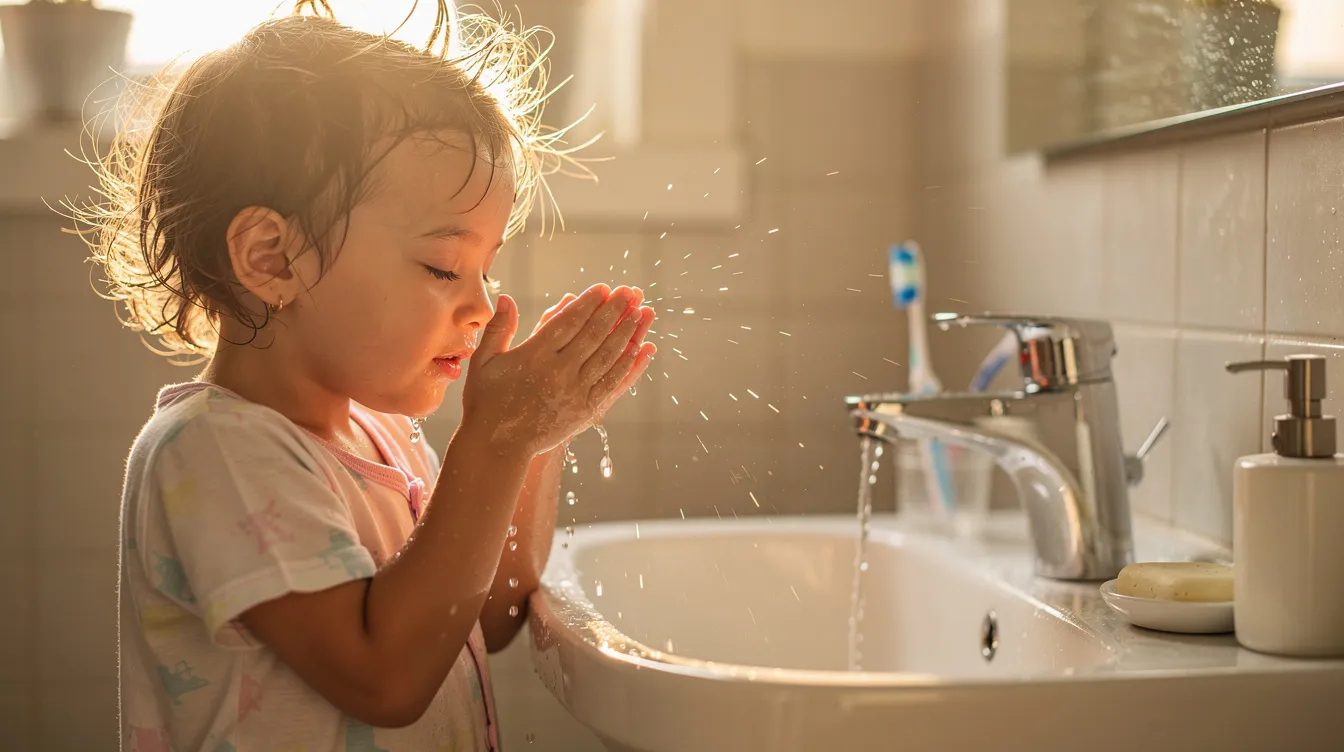
Understanding 9-Year-Old Skin: Why It's Different
Before you load up a shopping bag with creams and serums, it helps to understand what's actually going on with your child's skin at this age. Pre-tween skin (around ages 8–10) is thinner, more permeable, and still maturing. Young developing skin is highly sensitive, and the stratum corneum-the outermost protective layer-hasn't reached adult-level thickness or lipid content yet.
What this means practically:
-
The skin barrier is more fragile, making it easier for irritants to penetrate and moisture to escape.
-
Children's skin can be sensitive and requires professional advice if problems persist-not trial-and-error with adult-grade products.
-
Most 9-year-olds are pre-pubescent or just beginning early hormonal shifts. Acne treatments, strong exfoliants, and anti-aging ingredients aren't appropriate.
Common skin patterns at age nine include:
|
Pattern |
What You'll Notice |
|---|---|
|
Normal with occasional dryness |
Comfortable most days, dry patches in winter or after swimming |
|
Sensitive and easily red |
Flushing after sun, wind, or new products |
|
Slightly oily skin |
Shine around the nose and forehead (T-zone), rare at this age |
|
Early breakouts |
A few blackheads or small bumps, usually mild |
If your child has persistent rashes, painful pimples, eczema patches, or cracked skin, consulting a dermatologist is crucial for skin issues in children. A dermatologist can identify conditions like acne or rashes and provide personalized treatment plans for skin issues-far better than guessing with over-the-counter stuff.
Building a Simple Skincare Routine for a 9 Year Old
You don't need a complicated system. This entire routine takes under five minutes and is easy enough for most kids to follow with a bit of supervision.
Every child's skin is different. Get a personalized routine in 30 seconds →
Morning Routine
-
Cleansing: Splash face with lukewarm water, or use a very gentle cleanser if needed. Morning cleansing should involve plain water or a mild cleanser and mineral sunscreen with SPF 30.
-
Moisturize: Apply a pea-sized dab of lightweight, fragrance free moisturizer.
-
Protect: Apply broad-spectrum daily sunscreen (SPF 30–50). Sunscreen is essential for children's skincare routines-this step is non-negotiable.
Evening Routine
-
Cleanse: Evening cleansing should use a gentle fragrance-free cleanser followed by a lightweight oil-free moisturizer. This is especially important after sports, outdoor play, or wearing sunscreen all day.
-
Moisturize (optional): Only if skin feels tight or shows dryness. Skip heavy night creams.
Use fragrance-free products for young children's skin, and look for items labeled for kids or for sensitive skin. Short ingredient lists with no harsh foaming agents are a good option. Avoid active ingredients in products for young children-this age doesn't need them.
Pair face-washing with tooth-brushing so it becomes part of the same quick morning and night habit.
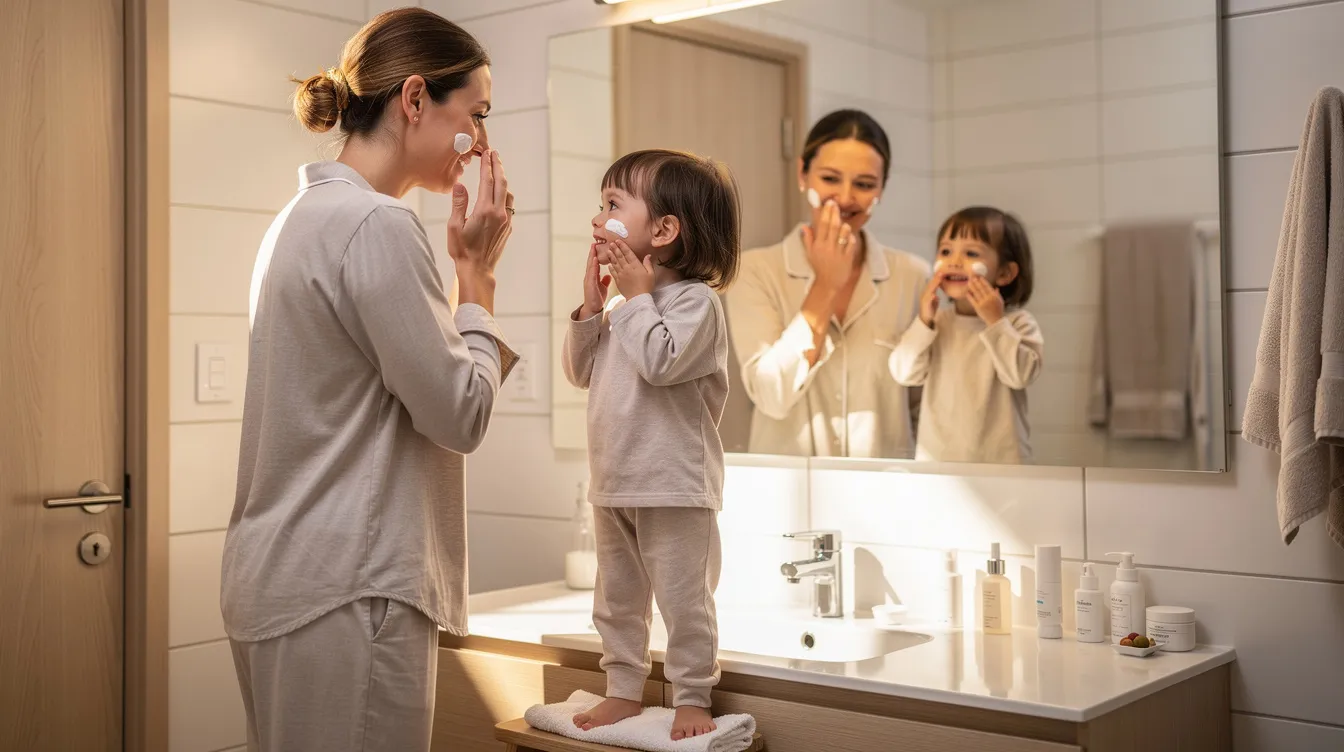
Choosing Kid-Friendly Products: Face Wash, Moisturizer & Sunscreen
This section is your practical shopping guide-not a product catalog, but a framework to help you navigate what's worth your time (and money) next time you search for options online or in-store.
Face Wash
Choose a very mild, sulfate-free cleanser. Avoid strong acne face wash formulas containing benzoyl peroxide or high concentrations of salicylic acid for 9-year-olds. Cetaphil Gentle Cleanser is frequently recommended for being gentle and non-stripping. Bubble products are fragrance-free and suitable for kids' sensitive skin, making them a refreshing option for this age group. EverEden offers lines specifically formulated for younger skin as well.
Moisturizer
Look for lightweight, non-greasy, fragrance free creams or gel-creams that deliver hydration without feeling heavy. Think weightless-similar in feel to Hermelis' approach to face hydration for adults. CeraVe products are frequently recommended for being gentle, and brands like CeraVe and Vanicream are recommended for children thanks to their minimal, barrier-friendly formulas. Parents commonly agree that simple clean brands work well for children, so don't overthink it.
It is vital to select products specifically designed for sensitive skin rather than grabbing whatever is on the front page of a website or trending with a teenager on social media.
Sunscreen
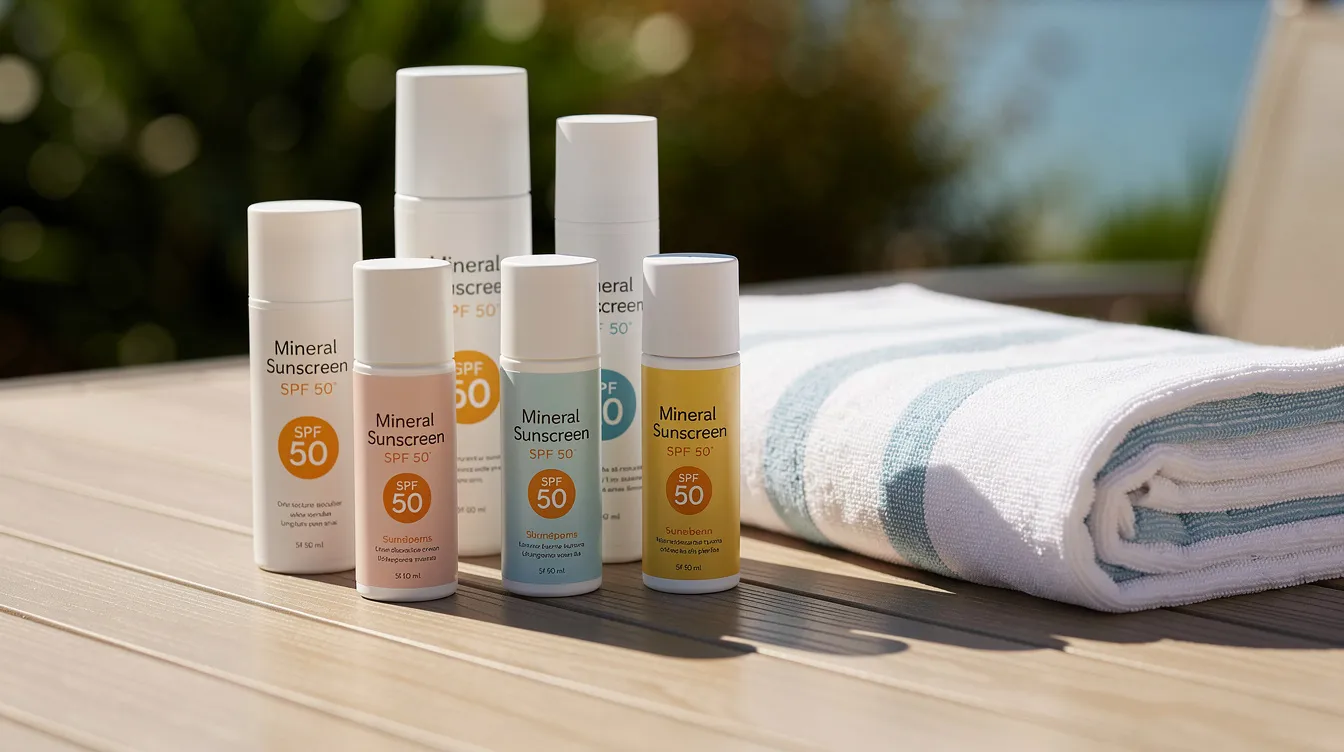
Mineral sunscreens should contain zinc oxide or titanium dioxide-these sit on top of the skin and reflect UV rather than being absorbed, which makes them less likely to cause irritation.
Some solid picks worth being aware of:
|
Product |
SPF |
Type |
|---|---|---|
|
Blue Lizard Kids' Mineral Sunscreen Stick |
50+ |
Mineral stick |
|
Pipette Mineral Sunscreen Lotion |
50 (hypoallergenic) |
Mineral lotion |
|
Black Girl Sunscreen Kids' Broad Spectrum |
50 |
Mineral |
|
Neutrogena Beach Defense Kids' Sunscreen Spray |
70 |
Spray |
Creams and lotions generally provide more even coverage than sprays. If you use a spray, apply to hands first, then to the face. Toss a sunscreen stick into your child's bag for reapplication after recess or outdoor activities.
One important note: Avoid multi-step kits marketed to older teens or adults. Introduce one new product at a time and watch for any reaction before adding the next. Previous experience with one product doesn't guarantee a child won't react to another.
Protecting the Skin Barrier: Ingredients to Look For (and Avoid)
The skin barrier is your child's built-in defense system. Think of it as the protective outer layer that keeps moisture in and irritants out. In kids, this barrier is still developing, which means what you put on it matters more than you might think.
What to Look For
Hydrating agents for sensitive skin include hyaluronic acid, ceramides, glycerin, and panthenol. These help retain moisture and support barrier repair without overwhelming young skin. Soothing plant extracts-like algae or white tea extracts, similar to those used in Hermelis formulas for adults-offer antioxidant benefits without the irritation risk of essential oils.
Fragrance free choices are especially important for children with sensitive, dry, or eczema-prone skin. Any added scent, even from "natural" sources, can lead to contact dermatitis over time.
What to Avoid
Harsh actives to avoid for young skin include retinols, AHAs/BHAs, and vitamin C at treatment-strength concentrations. Irritants to avoid in products for young skin include artificial fragrances, alcohols, and heavy sulfates. Also skip aggressive scrubs designed to remove dead skin cells through physical abrasion-young skin sheds dead skin cells naturally without that kind of help. Heavy makeup is also unnecessary and can clog developing pores.
Patch Testing
Before any new product touches your child's face, apply a small amount on the inner arm or behind the ear. Wait 24 hours. If there's no redness, itching, or swelling, you're clear to use it more broadly. This small step can prevent a much bigger problem.
Making Skincare Fun, Safe, and Age-Appropriate
Let's acknowledge something: kids at this age are curious. They see their friends, older siblings, or content on a website or social media and want to try new things. That's normal. The key is channeling that curiosity into habits that are actually good for them-without pushing adult beauty standards.
Ways to make the routine fun:
-
Let your child pump their own moisturizer (with guidance on amount).
-
Use a small step-by-step chart near the bathroom mirror.
-
Make it a shared ritual-you do your skincare, they do theirs.
-
Keep it short. Under five minutes. No user needs a 20-minute routine at age nine.
How to talk about it: Frame skincare around health, comfort, and protection. "We're keeping your skin strong and comfy" works far better than anything appearance-focused. This isn't about fixing a problem-it's about prevention and self-care.
Occasional treats in moderation: Hydrating sheet masks can be fun for kids' skincare-think a mild, fragrance free hydrating sheet mask during a movie night. Masks like these are a good option for bonding. But avoid peel-off masks, harsh clay masks, or anything that stings or tingles. Those are for much later, if ever.
When to seek help: If a child has painful breakouts, widespread rashes, persistent dryness that won't resolve, or any signs of infection, stop experimenting and see a pediatric dermatologist. They can treat the issue with a proper plan rather than guesswork. No amount of clicking through previous and next buttons on review sites or having a problem loading conflicting advice pages will replace professional guidance.

How Hermelis' Approach to Gentle, Weightless Hydration Can Guide Parents
Take the free skin analysis → and get a personalized Hermelis routine emailed to you instantly.
At Hermelis, our philosophy has always centered on clean, fragrance-free, weightless hydration for sensitive adult skin. We use ingredients like hyaluronic acid, algae extract, and white tea extract to support the skin barrier-not overload it. Every formula is designed to deliver just enough hydration to keep skin healthy without heaviness or irritation.
While Hermelis products are formulated for adults and teens, the same principles apply when you're choosing skincare for a 9-year-old:
-
Minimal irritation over maximum "actives"
-
No added fragrance or unnecessary scent
-
Science-backed hydrators rather than trendy ingredients
-
Clean formulas with transparent ingredient lists
Families who already use Hermelis for their own routine can use it as a model for their child's approach: cleanse gently, hydrate lightly, and protect daily. The difference is simply choosing age-appropriate formulas-kid-safe versions of the same foundational steps.
Consistent, gentle skin care now lays the groundwork for healthier skin during the teen years, when hormones, breakouts, and new concerns will inevitably arrive. The habits your child builds today-keeping it clean, keeping it simple-will make future routines easier and far less reactive.
Not sure where to start?
Answer few quick questions and get a custom routine for your skin — emailed instantly, free.
Find My Routine →
Start with the basics. Cleanse, hydrate, protect. Let your child's skin do what healthy skin already does well, and save the complicated stuff for later. That's the kind of skincare that actually lasts.
About the Author
This article was prepared by Neha A Katkar, a creative professional and business strategist with a strong passion for clean skincare & jewelry. Shaped the vision behind Peachy Accessories and Hermelis. The companies focus solely on solving customer needs in the fashion, beauty and wellness industry.
(Written and published by Neha A Katkar)