
Face Hydration: How to Hydrate Skin Without Heaviness (Hermelis Guide)
Heavy creams sit on your face like a mask. Lightweight hydration actually sinks in. This guide covers the science behind face hydration, how to tell if your skin is dehydrated or dry, which ingredients work without clogging pores, and how to build a weightless routine that keeps your skin comfortable all day.
Not sure where to start? Take our 2-minute skin quiz →and we'll match you to the right Hermelis formula for your skin.
Answering Your Biggest Face Hydration Questions (Fast FAQ Section)
Before we get into the details, here are quick answers to the questions we hear most about dehydrated skin, dry skin, and how to hydrate without heaviness.
-
Dehydrated vs. dry - what's the difference? Dehydrated skin lacks water. It's a temporary condition that can happen to anyone. Dry skin lacks oil and is a long-term skin type categorized by minimal oil production. You can be oily and dehydrated at the same time.
-
Why does face hydration matter right now? Indoor heating, air conditioning, urban pollution in cities like Los Angeles and New York, and hours of screen time all pull moisture from your face. The result: dull, itchy skin that looks tired even when you're not.
-
What's a quick routine? Morning: gentle cleanser → hydrating serum with hyaluronic acid → weightless water cream moisturizer → SPF. Night: gentle cleanser → hydrating serum → richer treatment or mask 2–3 times per week. Gentle cleansers help maintain the skin's moisture barrier at every step.
-
Who is Hermelis for? Hermelis specializes in weightless face hydration for sensitive skin, combination skin, and acne prone skin - people who want real hydration without heavy, fragranced creams.
-
What should you avoid? Long hot water showers, harsh foaming cleansers, and over-exfoliating. These strip the skin's natural barrier and worsen dehydrated skin faster than anything else, so following dry skin moisturizing tips and barrier-friendly routines becomes essential.
-
Keep reading for science-backed, step-by-step advice and product examples including the Luminour Water Cream and Deep Hydration Collagen Mask.
Understanding Face Hydration and Your Skin Barrier
Healthy skin depends on two things working together: a strong skin barrier and balanced moisture. When either one fails, you see it immediately - tightness, dullness, irritation.
-
Your skin barrier lives in the outermost layer of your skin, called the stratum corneum. Think of it as a brick-and-mortar wall: skin cells (corneocytes) are the bricks, and lipids - ceramides, fatty acids, cholesterol - are the mortar holding everything together. This protective barrier keeps water in and irritants out.
-
Hydrated skin appears plumper and reduces fine lines. When skin cells are full of water, they look smooth and bouncy. When they lose water, they shrink, and fine lines and wrinkles, dullness, and uneven texture become more visible.
-
Dehydrated skin can occur in any skin type, including oily. Whether you have oily skin, combination skin, dry skin, or anything in between, air-conditioned offices and heated apartments can compromise your hydration levels.
-
The barrier contains water-loving components called Natural Moisturizing Factors (NMF), which include urea and amino acids. It also contains oil-loving lipids like ceramides and natural oils. Together, they maintain hydration and barrier function.
-
When this lipid barrier is compromised, skin hydration drops. The result is often irritated skin - tight, stinging, red - especially when you apply topical products.
-
Hermelis formulates clean, fragrance free, weightless products specifically designed to support the skin's moisture barrier without suffocating it.
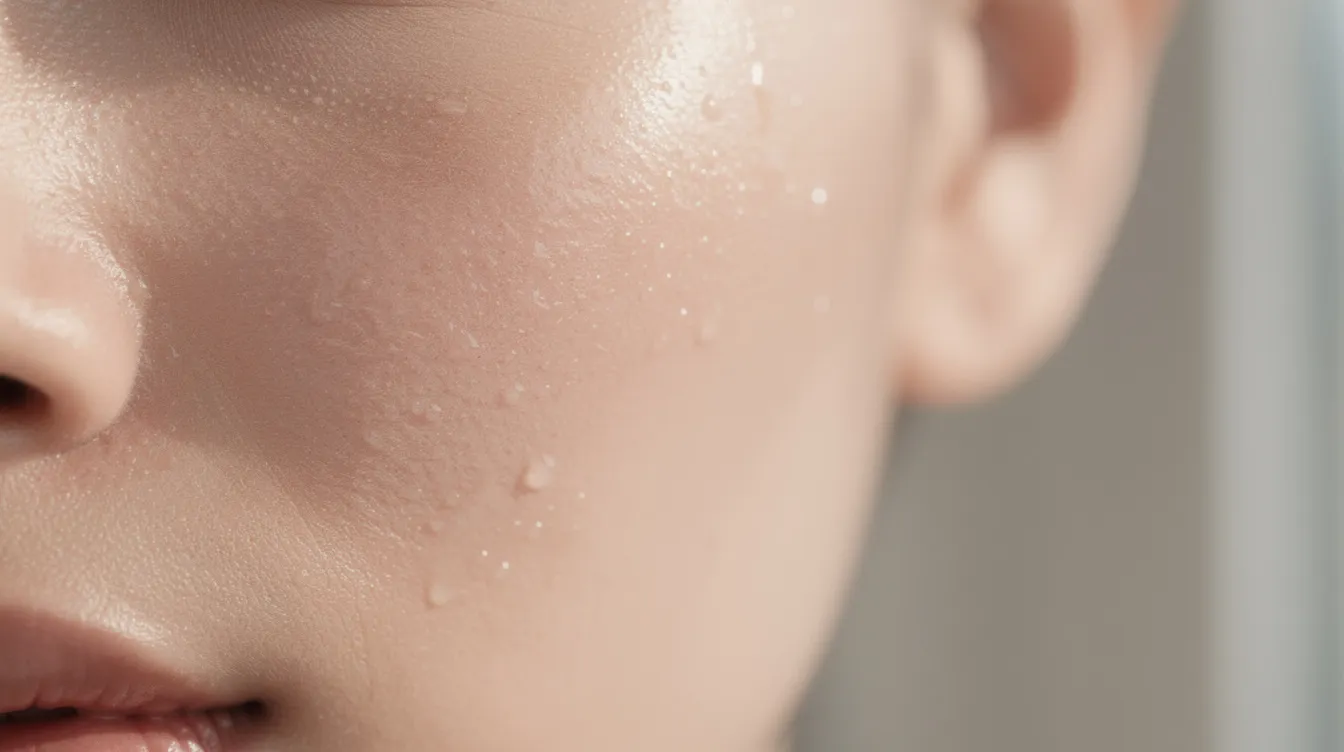
Hydration vs Moisturization: What Your Face Actually Needs
Your face needs water and oil in the right balance. Here's how they differ and why both matter.
-
Hydration means increasing water content in the skin. This is done with humectants - ingredients like hyaluronic acid, glycerin (a natural humectant that draws moisture from the air), bamboo ferment, and algae extract that attract water and pull water into the skin.
-
Moisturization means supplying lipids and emollients - ceramides, squalane, natural oils, shea butter - that seal water in and reduce evaporation. Effective facial hydration involves combining humectants and occlusives.
-
If your skin is dehydrated but oily, you likely need more humectants. If your skin is chronically dry, you need both humectants and a rich moisturizer. Moisturizers are generally more effective when thicker and cream-based, but that doesn't mean they need to feel heavy.
-
A practical example: apply a hydrating serum first, then a weightless water cream for combination skin. For very dry skin, add a richer cream layer or overnight mask. Hydration is essential for maintaining a healthy skin barrier regardless of which path you take.
-
Hermelis formulates for "just enough hydration" - enough to hydrate skin and restore moisture without the greasy film that makes you want to wash your face an hour later.
Dehydrated Skin vs Dry Skin: Spot the Difference on Your Face
Using the wrong products because you misread your skin leads to more irritation, not less. Here's how to tell what you're actually dealing with.
-
Dehydrated skin is a temporary condition where the face lacks water. Signs include tightness after cleansing, makeup cracking by midday, and fine lines on the cheeks and around the eyes that weren't there last month. Dehydrated skin often feels tight, itchy, or sensitive.
-
Dry skin is a long-term skin type with low oil production. You'll notice rough patches, flaky skin around the nose and mouth, and a constant feeling of tightness even after you moisturize skin. Dry skin can lead to increased inflammation and wrinkles over time, which is why a consistent daily moisturizing routine for dry skin makes such a difference.
-
Combination skin can be both oily in the T-zone and dehydrated on the cheeks. Oily skin can also be dehydrated, affecting hydration levels - leading to shine and dry, itchy skin at the same time, so choosing good skin moisturizers for every skin type matters more than chasing “oil-free” labels alone.
-
Acne prone skin often becomes dehydrated from strong treatments like benzoyl peroxide or retinoids. Dehydrated skin can lead to increased inflammation and irritation, which can trigger more breakouts - a frustrating cycle.
-
Try the at-home pinch test: gently pinch your cheek and watch how fast it bounces back. Slow rebound suggests skin dehydration rather than oil dryness.
-
Hermelis products are made for sensitive and combination skin - for people who can't tolerate heavy or fragranced face creams but still want to hydrate dry skin effectively.
Not sure which type describes you? Take the Hermelis skin quiz → and get a personalized routine in 2 minutes.
Everyday Habits That Dehydrate Your Face
Modern life is a skin dehydration factory. Late nights, heating, AC, and screens all stress your moisture barrier.
-
Washing with very hot water strips natural oils and speeds up water loss. Avoiding hot water helps maintain the skin's natural moisture barrier - use lukewarm water instead.
-
Harsh foaming cleansers, aggressive scrubs, and frequent exfoliating acids break down the moisture barrier and worsen dehydrated skin. Environmental factors can contribute to dehydrated skin just as much as bad products.
-
Indoor heating, low humidity in office buildings, airplanes, and cold weather all pull water from the face. Long screen sessions in dry rooms compound the effect.
-
Lifestyle habits matter too: low water intake, high alcohol consumption, and smoking reduce skin hydration internally. Drinking plenty of water supports overall function, though it doesn't replace topical care.
-
Minimize fragranced products and alcohol-heavy toners, especially if you have sensitive or itchy skin. This aligns with clean skin care principles: fewer irritants, fewer problems.
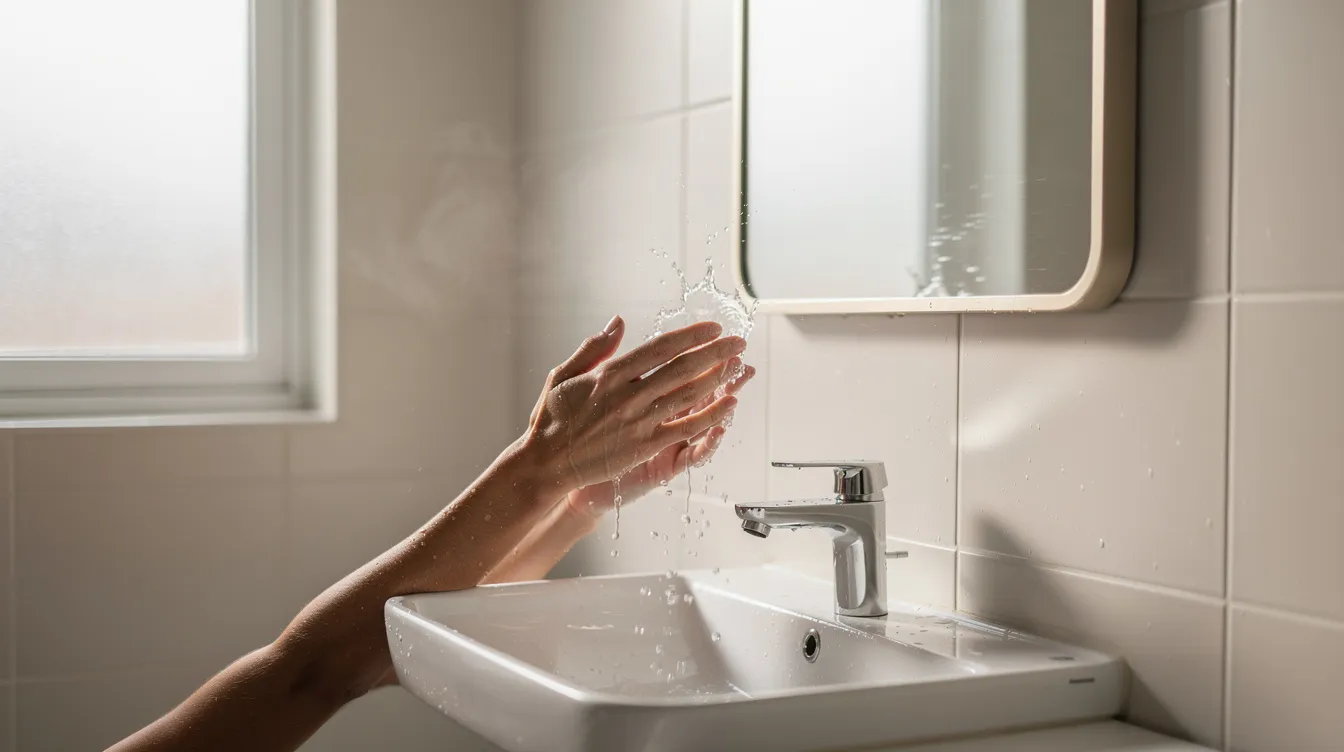
Key Hydrating Ingredients Your Face Actually Responds To
Not all "hydrating" claims are equal. Look for specific, science-backed hydrating ingredients on labels - here's what to prioritize.
-
Humectants draw water into the skin surface. The top performers: hyaluronic acid (in varied molecular weights), glycerin, bamboo ferment, and Pro-Vitamin B5, which helps attract and retain moisture in the skin. Humectants help bond water molecules to the skin.
-
Barrier-supporting lipids like ceramides, squalane, and rose canina (rosehip) oil help trap water and soften skin. Ceramides make up approximately 50% of the skin's lipids, making them critical to any barrier repair strategy.
-
Soothing, antioxidant-rich ingredients like white tea extract and algae extract calm redness and protect the barrier from sun damage and urban pollution.
-
For acne prone or dry and sensitive skin, fragrance free moisturizers for sensitive skin are non-negotiable. Fragrance is one of the most common triggers for itching, burning, and barrier disruption.
-
Hermelis focuses on clean, cruelty-free ingredients produced in GMP-certified, FDA-compliant labs, with transparent ingredient lists you can actually read. Vitamin C and vitamin E also support collagen production and barrier resilience when included in a well-formulated hydrating face cream for your skin type.
-
Look for products that list these ingredients prominently - if hyaluronic acid or ceramides are buried at the bottom of a long INCI list, there may not be enough to matter.
Hyaluronic Acid: The Hydration Magnet
Hyaluronic acid can hold up to 1000 times its weight in water - making it one of the most effective humectants available in skincare products.
-
It binds to water in the skin, helping to plump the surface and reduce the look of fine lines. Hydrated skin cells hold moisture more effectively, creating a radiant complexion rather than a dull one.
-
Multi-weight hyaluronic acid hydrates different layers of the skin more effectively than a single molecular size. Research shows that HA in the 20–300 kDa range crosses the stratum corneum, while very high molecular weight HA (over 1,000 kDa) forms a hydrating film on the surface.
-
It works best when applied to slightly damp skin and then sealed with a moisturizer - this helps water molecules stay where you need them instead of evaporating.
-
Hermelis Luminour Water Cream uses hyaluronic acid within a breathable, non-greasy base. It's oil free, fast-absorbing, and ideal for oily and combination skin that needs more moisture without shine.
Natural Oils and Lipids: Sealing In Hydration Without Clogging Pores
Even oily and acne prone skin needs some lipids to keep the moisture barrier intact. Skipping them entirely is one of the most common mistakes.
-
Skin-compatible oils like squalane and rose canina oil are lightweight, non-comedogenic, and suited for combination and sensitive skin. Unlike coconut oil, which can clog pores, squalane is already found naturally in human sebum.
-
Lipids - ceramides, cholesterol, and fatty acids - act like mortar between skin cells, preventing water from evaporating too quickly. Natural plant oils reduce moisture loss and improve skin smoothness without heavy occlusion.
-
Pair humectants with these lipids at night to wake up with plumper, less irritated skin. This combination helps skin retain moisture through hours of sleep.
-
Hermelis formulas aim for a weightless feel - no heavy occlusive film - so skin can breathe while still feeling cushioned. Think of it as a protective barrier that doesn't announce itself.
A Weightless Face Hydration Routine (Morning and Night)
Here's a practical, step-by-step skincare routine using concrete product types. Adjust textures based on your skin type and season.
Morning:
-
Use a gentle cleanser - low-foam, fragrance free, non-stripping - or just lukewarm water if skin is very dry or sensitive. Pat dry, don't rub.
-
Apply a hydrating serum with hyaluronic acid, niacinamide, or bamboo ferment on slightly damp skin. Applying products to damp skin helps trap moisture against the skin barrier.
-
Follow with a weightless moisturizer like Hermelis Luminour Water Cream to lock in water without shine. This kind of top hydration boost solution for radiant skin works best when you apply moisturizer immediately after drying off to seal in moisture - this is the best moisturizer timing for long lasting hydration.
-
Finish with broad-spectrum SPF. UV damage worsens skin dehydration and accelerates fine lines and wrinkles.
Evening:
-
Double cleanse only if needed (sunscreen or makeup). Always use a gentle cleanser, avoiding hot water that strips natural oils.
-
Layer a hydrating essence or serum, then apply a more cocooning product like Hermelis Deep Hydration Collagen Mask 2–3 nights a week for intensive moisture. Frequent application of moisturizers can be necessary for dry skin, especially during cold weather.
-
Adjust texture by skin type: thinner gel layers for acne prone skin, a slightly ultra rich cream or mask for dry skin and itchy skin patches.
Want a routine built for your skin specifically? Take the skin quiz → — we'll match you in 2 minutes.
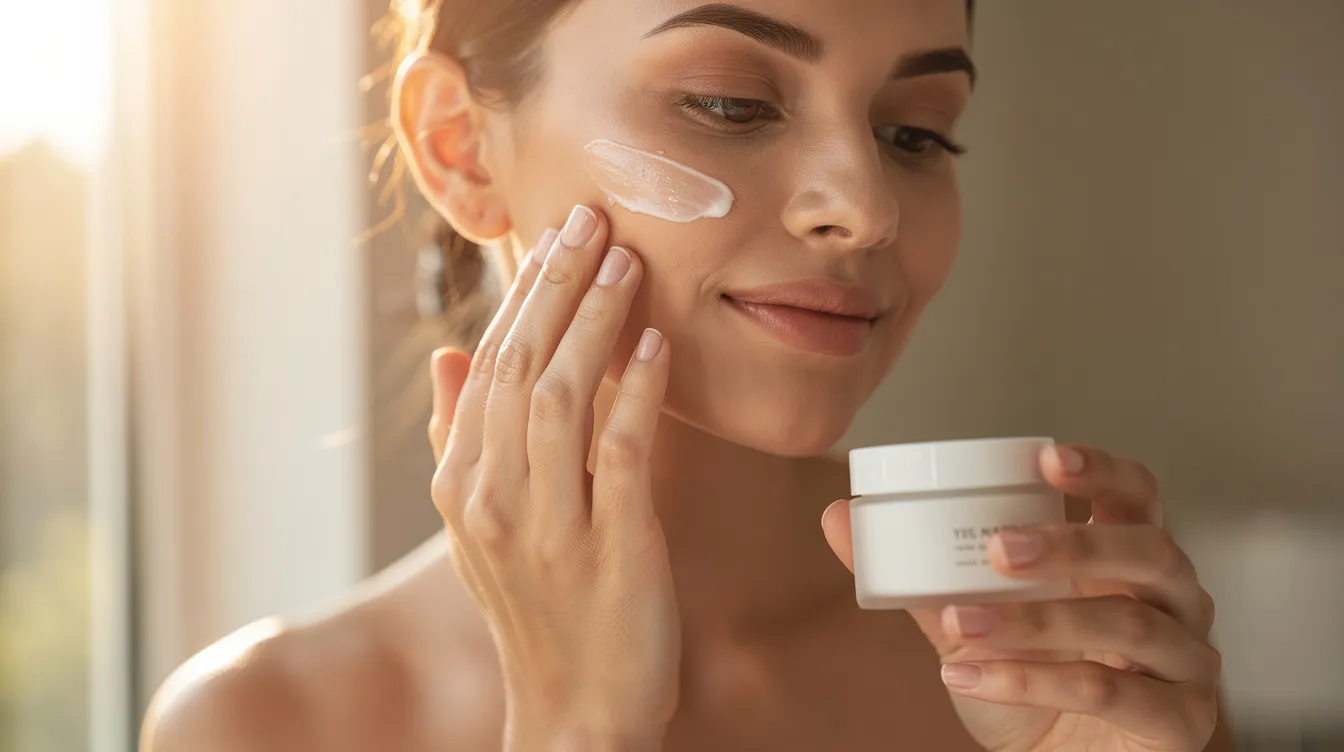
How Often to Exfoliate Without Wrecking Your Moisture Barrier
Over-exfoliation is one of the fastest ways to destroy your barrier function, especially for sensitive and acne prone skin.
-
Start with gentle exfoliation once a week. Use mild acids or soft chemical exfoliants rather than harsh physical scrubs. Colloidal oatmeal-based cleansers can also gently soften skin without stripping.
-
Dry or dehydrated skin should avoid daily exfoliating cleansers. Stick to low-frequency, low-strength products.
-
Apply a hydrating, fragrance free moisturizer immediately after exfoliating to calm and replenish the barrier. This step is critical to restore moisture.
-
Patch test on a small area of the cheek or jawline before committing. Any board certified dermatologist will tell you the same - test first, especially if your skin is reactive.
Layering Without Pilling: Making Hydration Work Harder
Proper layering makes hydrating products significantly more effective. Layering products increases effectiveness in retaining moisture - but only if you do it right.
-
Apply products from thinnest to thickest texture: toner or essence → serum → water cream → optional oil or mask at night.
-
Let each layer absorb for 30–60 seconds to reduce pilling and improve penetration, especially with hyaluronic acid and silicone-free formulas.
-
A nickel-sized amount of moisturizer is usually enough for the whole face and neck to keep your skin hydrated without feeling coated. These moisturizing products go further than you think.
-
Use more product at night or in winter for more moisture, and less in humid climates or summer. Adjusting by season keeps your hydrating products working optimally.
Lifestyle Habits That Boost (or Break) Your Face Hydration
Skin is an organ affected by sleep, diet, and environment - not just what you put on it. Topical hydration works best when the rest of your life supports it.
-
Sleep: Aim for 7–9 hours per night. Barrier repair and collagen production happen during deep sleep. Chronic sleep loss shows up as dullness, slower healing, and a healthy glow that just won't come.
-
Water intake: Stay hydrated throughout the day. While drinking water doesn't directly plump your face the way a serum does, it supports internal hydration and overall healthy skin.
-
Diet: Foods rich in essential fatty acids (olive oil, salmon, walnuts) and antioxidants (berries, leafy greens) support the moisture barrier from the inside. Think of them as the dietary version of hold moisture ingredients.
-
Environment: Using a humidifier can increase skin hydration levels - aim for 40–60% indoor relative humidity. Using a humidifier increases the water content in the air, which reduces transepidermal water loss especially in dry apartments or desert climates like Southern California.
-
Habits to minimize: Cut back on long hot showers, excessive alcohol, and frequent use of very strong actives (high-percent retinoids, aggressive peels) without professional guidance.
-
Clean, well-formulated hydrating products like Hermelis work best when combined with these supportive lifestyle choices. One without the other only gets you halfway.
Special Notes for Sensitive and Acne Prone Skin
If your skin reacts easily or breaks out from seemingly everything, you're not alone.
-
Choose fragrance free, hypoallergenic moisturizers for sensitive skin, alcohol-free, non-comedogenic products to minimize itching, burning, or clogged pores. The national eczema association also recommends this approach for reactive skin.
-
Lightweight, water-cream textures are often better tolerated than heavy balms for acne prone and combination skin. Choosing a hypoallergenic face moisturizer for sensitive skin means you can still get a healthy skin result without an ultra rich formula.
-
Introduce one new hydrating product at a time and wait at least 7–10 days before adding the next. This makes it easy to spot any reactions.
-
Hermelis is designed with sensitive skin in mind, using clean, transparent ingredient lists suitable for med spa and gift shop clients who demand gentle performance.

Hermelis' Approach to Clean, Weightless Face Hydration
Hermelis was born as an idea in May 2018 in Los Angeles, built around one question: why does hydration have to feel heavy?
-
Every Hermelis product is formulated in GMP-certified, FDA-compliant labs in limited batches. Small-batch production means fresher ingredients and tighter quality control.
-
The formulas are clean, fragrance free, and built on a blend of natural and science-backed ingredients: hyaluronic acid, algae extract, white tea extract, bamboo ferment, and rose canina flower. No filler, no unnecessary fragrance.
-
Luminour Water Cream is a lightweight, fast-absorbing moisturizer for daily use. The dedicated Hermelis Luminour Water Cream page explains how it's the best moisturizer option for sensitive, combination, and acne prone skin that dislikes heavy creams - it delivers hydration without weight.
-
Deep Hydration Collagen Mask is an intensive treatment for dry or dehydrated skin nights. It helps soothe irritated skin, support a healthier moisture barrier, and deliver the kind of deep hydration that a daily cream can't match alone, especially when paired with a carefully chosen moisturizer for sensitive faces.
-
Hermelis is cruelty-free with full ingredient transparency - important for conscious consumers comparing options from other premium brands.
-
Explore Hermelis' weightless face hydration range online or find it in partner med spas and curated gift shops.
The Takeaway: How to Keep Your Skin Comfortably Hydrated Long-Term
Dehydrated skin lacks water; dry skin lacks oil. Both need the right balance of humectants and lipids to look and feel their best. The core daily steps are simple: a gentle cleanser, a hydrating serum with humectants, a weightless moisturizer, SPF in the morning, and a weekly treatment like a hydrating mask to maintain a radiant complexion.
Avoid harsh cleansers, very hot water, and over-exfoliation if you want to keep your skin calm and resilient. Consistency beats dramatic overhauls - most people see visible improvements in glow and comfort within a few weeks of a steady routine.
Hermelis exists to make clean, weightless hydration your long-term partner in maintaining smooth, comfortable, healthy skin. No heaviness. No fragrance. Just hydration that works.
Find your personalized routine →
Shop Hermelis →
Join the Hermelis community → — be the first to know about new launches and restocks.
About the Author
This article was prepared by Neha A Katkar, a creative professional and business strategist with a strong passion for clean skincare & jewelry. Shaped the vision behind Peachy Accessories and Hermelis. The companies focus solely on solving customer needs in the fashion, beauty and wellness industry.
(Written and published by Neha A Katkar)