
Cream Face Moisturizer: How to Choose the Best Formula for Your Skin Type
Choosing the right cream face moisturizer can feel overwhelming when you're staring down hundreds of options online, clicking previous and next buttons through an endless product carousel. This guide cuts through the noise and helps you match the right formula to your skin in minutes.
Not sure which formula is right for you? Take the Hermelis skin quiz → — 2 minutes, personalized recommendation.
Quick Guide: Finding Your Best Cream Face Moisturizer
Hermelis is a weightless face hydration skincare brand that delivers clean, fragrance-free moisture for all skin types, with particular attention to sensitive skin and dry skin. Founded in Los Angeles in 2018, Hermelis formulates products like the Luminour Water Cream in GMP-certified, FDA-compliant labs for men, women, and teens with sensitive or combination skin.
Here's what you'll learn in this guide:
-
How to choose a face moisturizer based on your skin type, whether that's dry, oily skin, combination, sensitive, or mature
-
Which ingredients actually work for specific skin concerns like acne, fine lines, and irritation
-
When to use a night cream versus a day cream and how a tinted moisturizer fits into a simple routine
-
How to apply your cream for maximum absorption and visible results over time
-
Why clean, fragrance-free formulas reduce dryness, irritation, and fine lines more effectively than heavily scented alternatives
What Does a Cream Face Moisturizer Actually Do?
Your skin barrier is the outermost layer of skin responsible for holding water in and keeping irritants out. When it's compromised by weather, harsh cleansers, or aging, water escapes faster and skin feels tight, rough, and reactive. A cream moisturizer works by reinforcing that barrier and keeping hydration levels balanced. Creams support and protect the skin barrier, and they provide a lipid-rich seal to protect against environmental stressors. Creams are thicker than lotions and provide long-lasting moisture.
Every effective moisturizer relies on three functional categories:
-
Humectants like hyaluronic acid and glycerin draw water into the upper layers of skin, plumping the surface and reducing the look of dryness
-
Emollients such as squalane and plant-derived oils fill gaps between skin cells, smoothing rough texture and softening flakes. Emollient creams can deeply nourish and hydrate dry skin
-
Occlusives like dimethicone or petrolatum form a thin film over skin to lock in moisture and protect the skin barrier, with petrolatum capable of reducing water loss by up to 99%
A combination of humectants, emollients, and occlusives helps to relieve dry skin most effectively. Even oily and acne-prone skin needs moisture. Stripping oil without replacing hydration triggers the skin to overproduce sebum, making breakouts worse. Modern weightless water cream formulas, like Hermelis Luminour Water Cream, use high water content and light emollients to hydrate without heaviness, making them ideal for combination skin and sensitive types.
Products like The Ordinary natural moisturizing factors and similar natural moisturizing factors blends prove that simple barrier-support ingredients work. But the real key is choosing the right cream, and that depends on specific skin needs and your individual skin type.
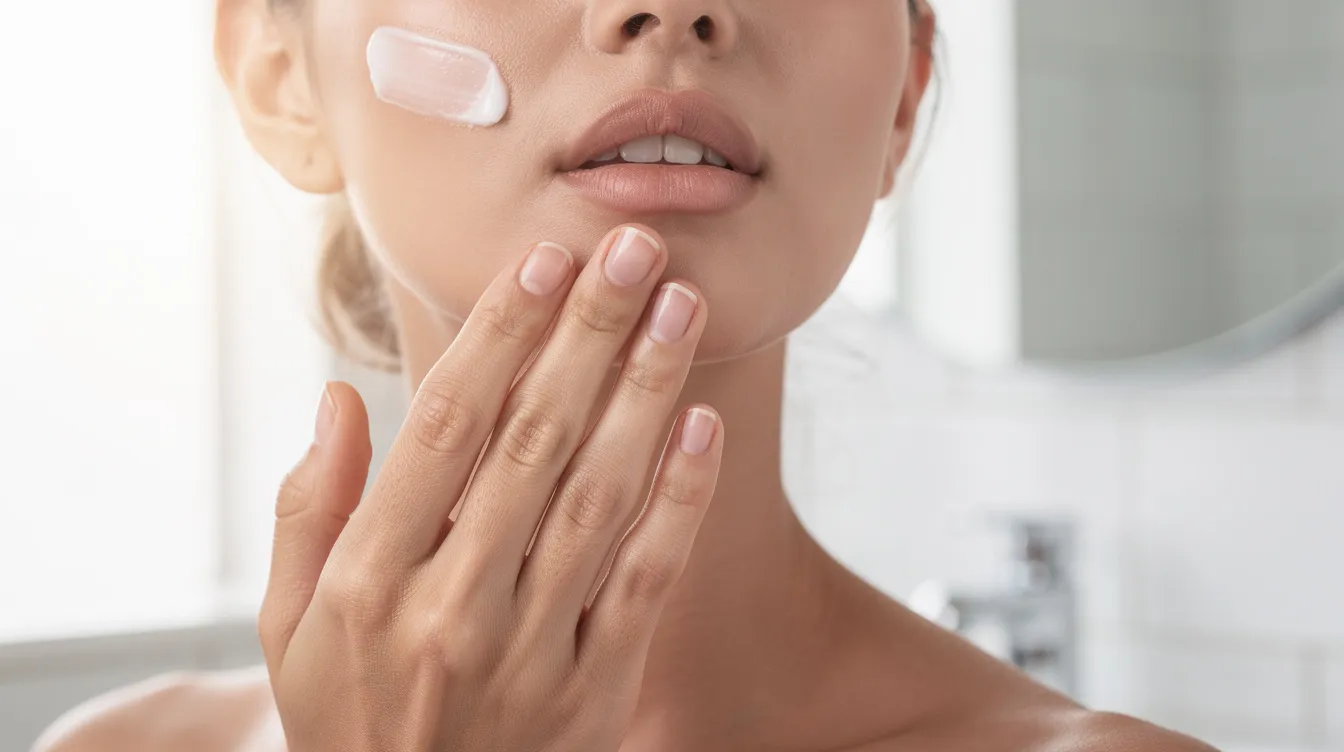
How to Identify Your Skin Type Before Choosing a Moisturizer
Before you click add to bag on any daily facial moisturizer, you need to know your skin type. Correct identification is step one.
-
Dry skin: feels tight after cleansing, shows visible flaking, looks dull, and shows fine lines more easily
-
Oily skin: visible shine by midday, enlarged pores, frequent breakouts, and a slick or greasy feeling
-
Combination skin: oily T-zone with dry or normal cheeks and mixed texture across the face
-
Sensitive or prone skin: stinging, burning, or redness after product application, flushing easily, possible eczema or rosacea background
-
Mature skin: slower cell turnover, reduced natural oil, more visible fine lines, and increased dryness
Lightweight formulas can hydrate dry areas without making the T-zone oilier, which is why combination types benefit from targeted application. Life stage and environment shift your needs constantly. A 22-year-old in dry Los Angeles may need richer hydration, while a 45-year-old in humid Miami may do better with a lighter gel cream.
Hermelis focuses on people with sensitive, combination, or dry skin who want clean, fragrance-free moisturizers that won't sting or clog pores. Choosing the right cream depends on specific skin needs, and understanding good skin moisturizers for every skin type helps narrow your options.
Quick self-check: If your face feels tight after washing, head to the Dry Skin section. If you're shiny by noon, jump to Oily and Acne-Prone. If products frequently sting, go straight to Sensitive Skin.
Skip the guesswork — take the Hermelis skin quiz → and get your routine in 2 minutes.
Best Cream Face Moisturizer for Dry Skin
Dry skin lacks adequate oil and often has a compromised barrier, which means it benefits from richer textures and barrier-replenishing ingredients. The right face cream can transform tight, flaky skin into something noticeably smoother within weeks. Hyaluronic acid is ideal for dry skin types, and any moisturizer with hyaluronic acid should be a priority. Building a daily dry skin moisturizing routine that combines the right cleanser, cream, and sunscreen makes these benefits last.
-
Key ingredients: ceramides, glycerin, squalane, hyaluronic acid, and soothing plant extracts like rose canina flower and algae extract, all of which appear in Hermelis formulas and form the backbone of effective dry skin moisturizing creams and routines
-
Ideal texture: creamy but non-greasy, such as water-cream hybrids like Hermelis Luminour Water Cream that deliver deep hydration while still feeling weightless. Popular alternatives in this space include products marketed as ultra facial cream by Kiehl's Since 1851, ultra repair cream formulations, and the hyaluronic cloud cream concept
-
Night routine: pair your daily cream with a richer night cream or a Deep Hydration Collagen Mask-style treatment 2–3 nights per week to reduce flakiness and fine lines
-
Application: apply on slightly damp skin, use a pea- to nickel-sized amount, and always layer under SPF in the morning. Daily cream moisturizers enhance hydration and prevent dryness when used consistently
Best Cream Face Moisturizer for Oily and Acne-Prone Skin
Oily skin and acne-prone skin still need hydration. Stripping moisture can trigger more oil production and worsen breakouts. The goal is finding a lightweight formula that hydrates without adding shine or clogging pores. Oil-free moisturizers suit oily skin types, and non-comedogenic moisturizers prevent clogged pores in acne-prone skin.
-
Look for oil free, non comedogenic gel cream or water cream formulas that absorb quickly and feel invisible on the oily skin type. Non-comedogenic gel-creams are suitable for oily or acne-prone skin
-
A moisturizer with niacinamide at 2–5% concentration can reduce oil production and blemish counts. Clinical research showed that a 4% niacinamide cream improved hydration and reduced blemishes over 8 weeks in oily, blemish-prone participants
-
Consider formulas with gentle humectants and possibly low-dose salicylic acid for unclogging pores, but avoid heavy butters or thick occlusives
-
Fragrance-free, alcohol-free formulations matter here. Fragrance and denatured alcohol are common irritants that worsen inflammation on prone skin
-
Good Molecules Lightweight Daily Moisturizer is highly recommended as a lightweight daily moisturizer option. e.l.f Holy Hydration! Gel-Yeah Moisturizer is well-reviewed as a gel moisturizer alternative. Peach Slices Acne Oil-Free Moisturizer is recommended for oily skin. Peter Thomas Roth Water Drench-style formulas also perform well for this skin type
Hermelis' weightless hydration approach works for combination and oily users who need hydration without a greasy film, with clean, non-pore-clogging ingredients throughout. Products in this category often rate between 4.1 out of 5 and 4.5 out of 5 on major retail sites, so checking reviews carefully matters.
Best Moisturizer for Sensitive Skin
Sensitive skin is reactive skin that stings, burns, or flushes easily when exposed to common cosmetic ingredients. A moisturizer for sensitive skin must be extra gentle, with nothing that triggers inflammation. Top soothing ingredients for a sensitive face moisturizer include ceramides, hyaluronic acid, aloe, and glycerin. Fragrance-free and hypoallergenic formulas are best for sensitive skin. Fragrance-free formulas are best for sensitive skin across every product category.
-
Choose hypoallergenic, fragrance-free, essential-oil-free creams. Avoid high-concentration retinoids or strong acids unless guided by a dermatologist
-
Soothing ingredients to prioritize: bamboo ferment, algae extract, white tea extract, ceramides, oat, and aloe. These align with Hermelis' focus on calm, weightless hydration
-
Clinique Moisture Surge Auto Replenishing Hydrator is suitable for sensitive skin, known as a moisture surge replenishing hydrator that delivers lightweight barrier support. The La Roche Posay Toleriane line and Vanicream are also effective for sensitive and dry skin types, especially when you prioritize hypoallergenic face moisturizers for sensitive skin. Products with a confidence in a cream philosophy tend to score around 4.3 out of 5 to 4.6 out of 5
-
Patch testing new products helps avoid skin irritation. Apply behind the jawline for 24 hours and watch for redness, itching, or burning before committing to full-face use, especially when trying a new moisturizer for a sensitive face
Hermelis formulas are produced in limited batches in GMP-certified, FDA-compliant labs, which means consistent quality and lower contamination risk, something sensitive-skin users should prioritize.
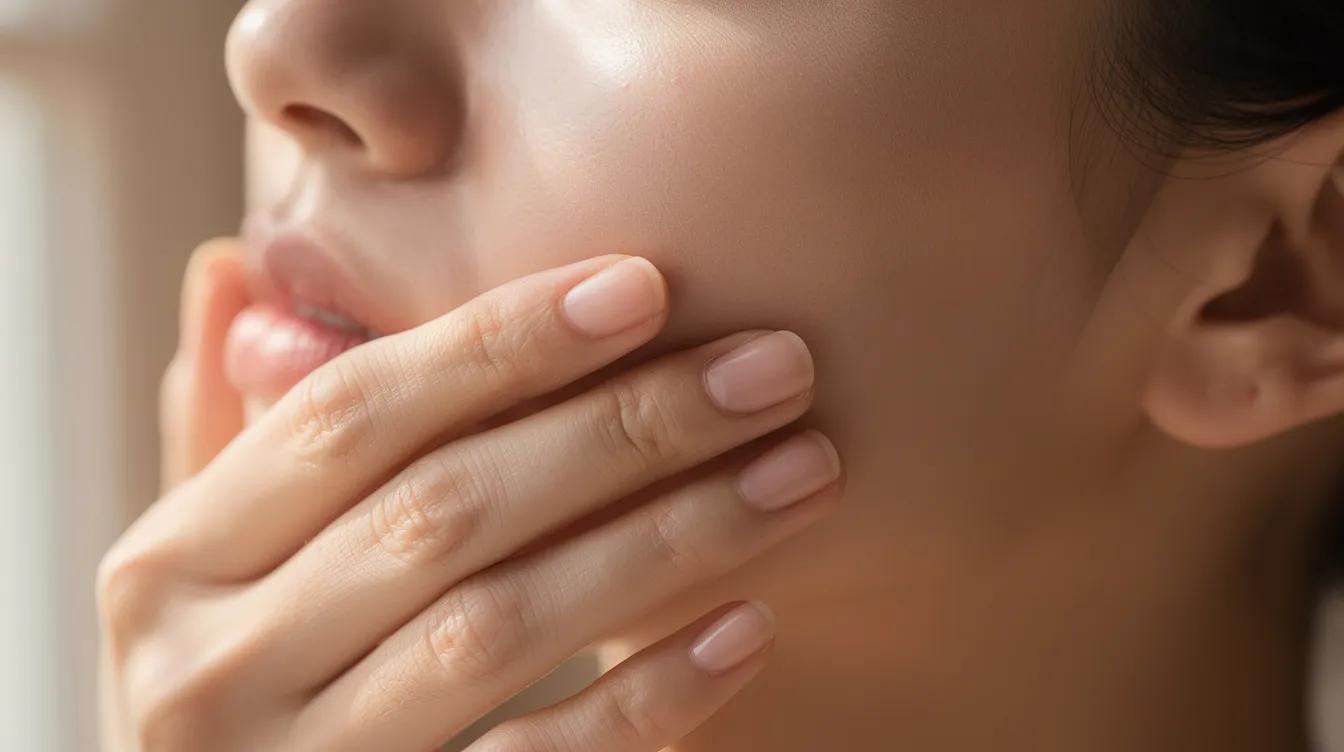
Moisturizers for Anti-Aging and Fine Lines
Starting around age 25–30, natural collagen production declines. An anti aging moisturizer can help preserve firmness and reduce the appearance of fine lines over time. Rich cream formulas minimize the appearance of fine lines and wrinkles when used consistently, especially when you focus on top hydrating face creams for every skin type that pair moisture with active ingredients.
-
Key actives: peptides help to improve skin elasticity and firmness. Retinol promotes collagen production and reduces fine lines. Vitamin C brightens complexion and improves skin texture. Niacinamide repairs barrier function and smooths texture. White tea extract provides antioxidant defense
-
Immediate vs. long-term: humectants like hyaluronic acid plump fine lines instantly by drawing water into the surface, while peptides and retinoids work over months to rebuild structural support. Mature skin requires creams with ingredients like retinol or peptides for anti-aging
-
Day vs. night strategy: use lighter creams with SPF during the day and richer night creams or overnight masks for repair. Products in the skin cream line plumping category and the dewy skin cream line from brands like Charlotte Tilbury, or the cream line plumping moisturizer and longevity memory cream moisturizer concepts, show how the market has embraced cosmetics confidence in anti aging formulas
-
Hermelis' Deep Hydration Collagen Mask works as a weekly anti-aging boost for dry or mature skin, especially when used consistently over several months. It rates around 4.7 out of 5 among early users, with some items showing 5 stars 2 reviews from initial adopters
Day Cream vs. Night Cream: When and How to Use Each
Day creams tend to be lighter and designed for layering under sun protection, while night creams are richer and focused on repair. Understanding this distinction simplifies your daily moisturizer routine.
-
Morning: apply a lightweight, weightless face moisturizer under broad spectrum spf each morning. Moisturizers with SPF protect against harmful UV rays, and SPF in moisturizers helps prevent premature aging. Moisturizers with SPF provide hydration and sun protection simultaneously. Broad-spectrum SPF protects against both UVA and UVB rays. Look for at least spf 30, with spf 50 or spf 50 pa providing stronger defense. Daily use of SPF moisturizers can reduce sun damage risk significantly
-
Evening: choose slightly thicker textures with barrier-repair ingredients and gentle anti-aging actives, still fragrance-free and non-irritating for sensitive skin
-
Apply night cream or an intensive mask 30–60 minutes before bed to allow absorption and prevent transfer to bedding
-
Those with oily skin can often use the same cream face moisturizer for both day and night, simply adjusting the amount to avoid heaviness
Want this built for your skin specifically?
Take the skin quiz →
Shop Luminour Water Cream →
Shop Deep Hydration Collagen Mask →
Tinted Moisturizer vs. Classic Cream Face Moisturizer
A tinted moisturizer combines light coverage with hydration, often replacing foundation for a natural, everyday look. It's convenience skincare meets cosmetics, and pairing it with dedicated hydration boost solutions for radiant skin keeps your barrier supported underneath makeup.
-
Classic cream face moisturizers focus purely on barrier repair and hydration, while tinted moisturizers add pigment and sometimes SPF for daytime ease
-
For oily or acne-prone skin, choose oil-free, non comedogenic tinted options, rated around 4.2 out of 5 to 4.4 out of 5 on average at retailers. For dry skin, look for radiant, hydrating tinted formulas
-
Sensitive skin should favor fragrance-free tinted options layered over a core moisturizer if skin is very dry
-
Minimal routine: cleanse, Hermelis-style weightless hydrator, tinted moisturizer with SPF, spot concealer if needed
Clean, Fragrance-Free, and Cruelty-Free Moisturizers: Why They Matter
Many people with sensitive or acne-prone skin do measurably better on clean, fragrance-free formulas. Fragrance remains one of the top cosmetic allergens, and the unscented moisturizer market reached approximately USD 2.33 billion in 2024 for good reason.
-
"Clean skincare" means free from synthetic fragrance, harsh sulfates, and unnecessary dyes while still using science-backed ingredients, which is especially important when choosing among the top moisturizers for dry skin
-
Hermelis lists key actives like hyaluronic acid, algae extract, bamboo ferment, and white tea extract clearly on packaging and online, prioritizing ingredient transparency
-
Cruelty-free testing policies matter to modern consumers. When browsing at places like Ulta Beauty, you can use previous and next buttons to navigate the slides of a product carousel and filter specifically for cruelty-free brands. Use previous and next buttons to navigate and look for next buttons to navigate through clean collections
-
Limited-batch production in GMP-certified labs maintains formula stability and freshness, reducing batch variation
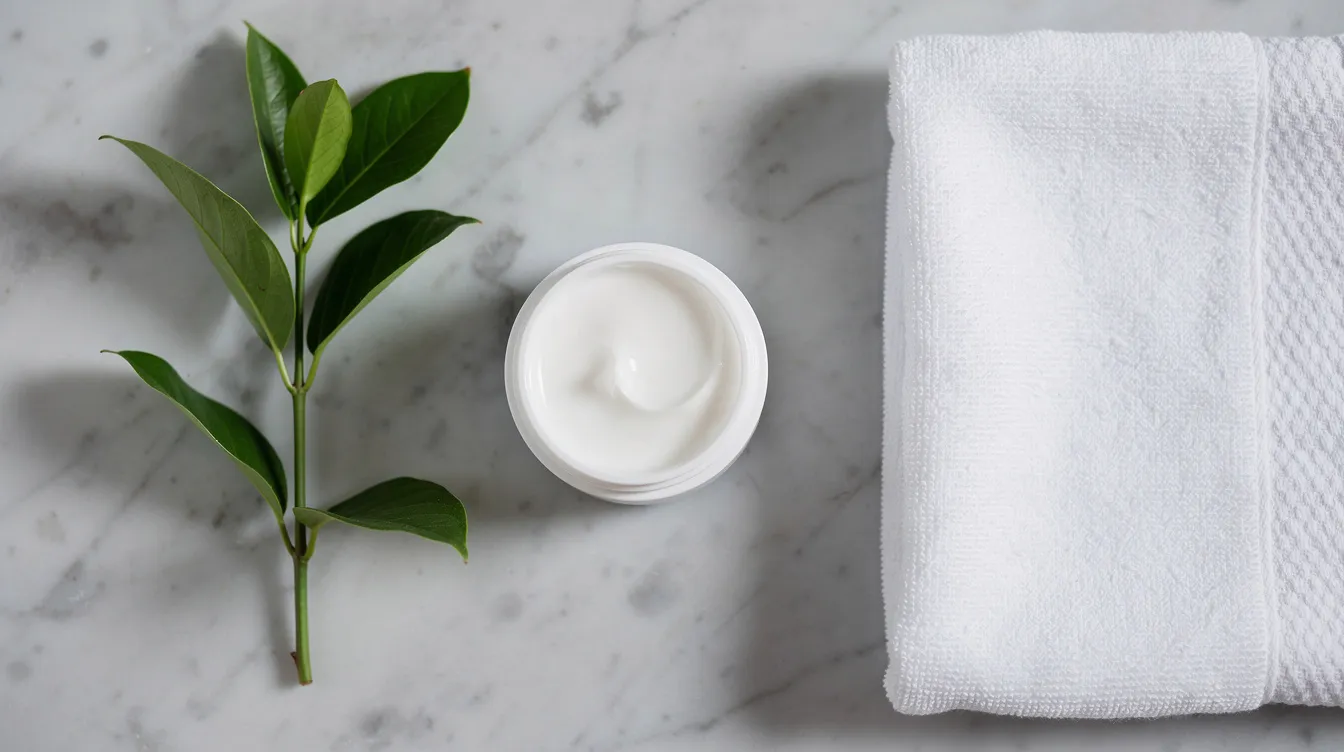
How to Apply Cream Face Moisturizer for Best Results
The basic routine order: cleanse, optional toner or serum, cream face moisturizer, then SPF in the morning. Daily use of a cream face moisturizer is crucial for skin health.
-
Apply on slightly damp skin to boost absorption. Use a pea-sized amount for the face, nickel-sized when including the neck
-
Adjust based on skin type: slightly more for dry skin, slightly less for oily. Layer if needed rather than applying one thick coat
-
Use gentle pressing and smoothing motions rather than rubbing to minimize irritation on sensitive skin
-
Consistency matters most. Twice-daily use over 4–6 weeks is what visibly improves texture, glow, and fine lines. Creams help lock in moisture day after day
Frequently Asked Questions About Cream Face Moisturizers
Can I use the same moisturizer morning and night? Yes, many skin types benefit from using the same product AM and PM if the formula is gentle and lightweight enough for daytime layering. Those with dry or mature skin might prefer a richer texture at night. Some products range from 25.00 93.00 depending on size, so a single versatile jar can be cost-effective.
Is cream moisturizer okay for acne-prone skin? It depends entirely on formulation. Creams with heavy oils or comedogenic butters can clog pores. Water creams or lightweight gel-cream formulas with non-comedogenic ingredients work well. A product rated even 1 out of 5 by one reviewer might score 4.8 out of 5 from others, so always check multiple sources and your own patch test results.
How do I know if a moisturizer is causing irritation? Watch for persistent stinging, burning, flaking, or increased redness. If symptoms continue after 48 hours, stop use immediately, simplify your routine, and consult a dermatologist.
How long does a jar of moisturizer typically last? With twice-daily use, a standard 50ml jar typically lasts 60–90 days. Replace it at expiration or sooner if smell, texture, or color changes. Products with 3.9 out of 5 ratings or lower on shelf stability may signal formulation issues.
Can men and teens use the same formulations? Absolutely. Product choice should be driven by skin type and concerns, not gender. Hermelis' clean, fragrance-free formulas work across ages and genders. Even a product showing just 4.1 out of 5 from general audiences can perform at 4.8 out of 5 for the right skin type.
Building a Simple, Effective Hydration-Focused Routine with Hermelis
A great skincare routine doesn't need 12 steps. Here's a 3–4 step daily approach centered on weightless hydration:
-
Morning: gentle cleanser → Hermelis Luminour Water Cream as your core face moisturizer → broad spectrum spf → optional tinted moisturizer for light coverage
-
Evening: cleanse → optional treatment serum → Luminour Water Cream or a richer night cream → 1–2 times per week, apply a Deep Hydration Collagen Mask for extra moisture and anti aging support
-
Hermelis products are suitable for dry, sensitive, and combination skin. They integrate naturally into med spa skincare offerings, gift shop selections, and premium self-care gift sets alongside fragrance sets, while all face products remain fragrance-free
-
Many retailers offer a free gift with purchase when you navigate the slides of seasonal promotions, making it easier to try a new routine without full commitment
The possibilities are beautiful when you match the right formula to your skin. Start with one weightless, clean, fragrance-free moisturizer and observe how your skin looks and feels over the next 4–6 weeks. Your skin doesn't need complexity. It needs the right cream, used consistently.
Find your personalized routine →
Buy Luminour Water Cream → — rated 4.6/5
Buy Deep Hydration Collagen Mask →
Join the Hermelis community → — first to know about new launches
About the Author
This article was prepared by Neha A Katkar, a creative professional and business strategist with a strong passion for clean skincare & jewelry. Shaped the vision behind Peachy Accessories and Hermelis. The companies focus solely on solving customer needs in the fashion, beauty and wellness industry.
(Written and published by Neha A Katkar)